
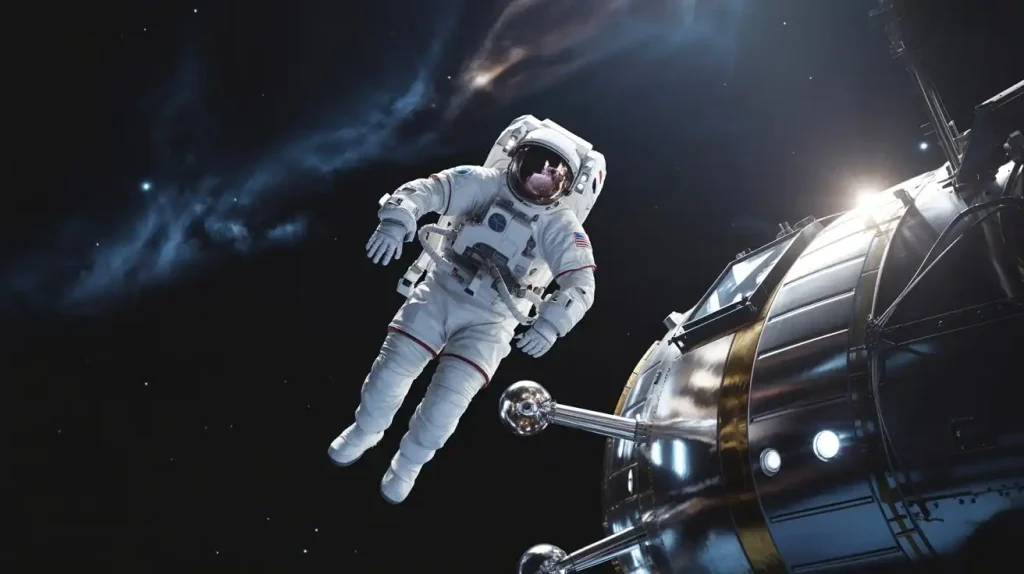
24 Facts About Space Exploration You Didn’t Know
Space exploration has pushed the boundaries of human knowledge and technology for decades. While many people are familiar with major milestones, there are countless lesser-known details that make this field even more fascinating. From unexpected challenges to surprising achievements, here are 24 facts about space exploration you probably didn’t know.
Early Exploration Surprises
- The first artificial satellite, Sputnik 1, was launched in 1957 and marked the beginning of the space age.
- Early spacecraft had extremely limited computing power compared to modern devices.
- The first animals sent into space helped scientists understand how living beings respond to zero gravity.
- Space missions were once calculated using basic computers and manual calculations.
- The space race accelerated technological innovation at an unprecedented pace.
Life in Space
- Astronauts grow slightly taller in space due to the lack of gravity compressing their spine.
- Without gravity, fluids in the body shift toward the head, causing noticeable physical changes.
- Food in space must be specially designed to prevent crumbs from floating away.
- Sleeping in space requires astronauts to secure themselves to avoid drifting.
- Muscles and bones weaken over time in microgravity without regular exercise.
Technology and Challenges
- Spacecraft must withstand extreme temperatures, from intense heat to freezing cold.
- Communication with distant spacecraft can take minutes or even hours due to the speed of light.
- Space suits are essentially small, self-contained life support systems.
- Tiny pieces of space debris can travel at high speeds and pose serious risks to missions.
- Landing on other planets requires precise calculations and timing.
Unexpected Discoveries
- The Moon has traces of water ice in permanently shadowed regions.
- Mars shows signs that liquid water may have existed on its surface in the past.
- Space telescopes can observe distant galaxies billions of light-years away.
- Some asteroids contain valuable metals in high concentrations.
The Future of Exploration
- Private companies are playing an increasing role in space missions.
- Plans exist to send humans to Mars in the future.
- Reusable rockets are helping reduce the cost of space travel.
- Scientists are searching for signs of life beyond Earth.
- Space exploration continues to expand our understanding of the universe.
Space exploration is a story of curiosity, innovation, and discovery. These lesser-known facts reveal that beyond the headlines, there is a vast and complex world of challenges and achievements that continues to evolve.