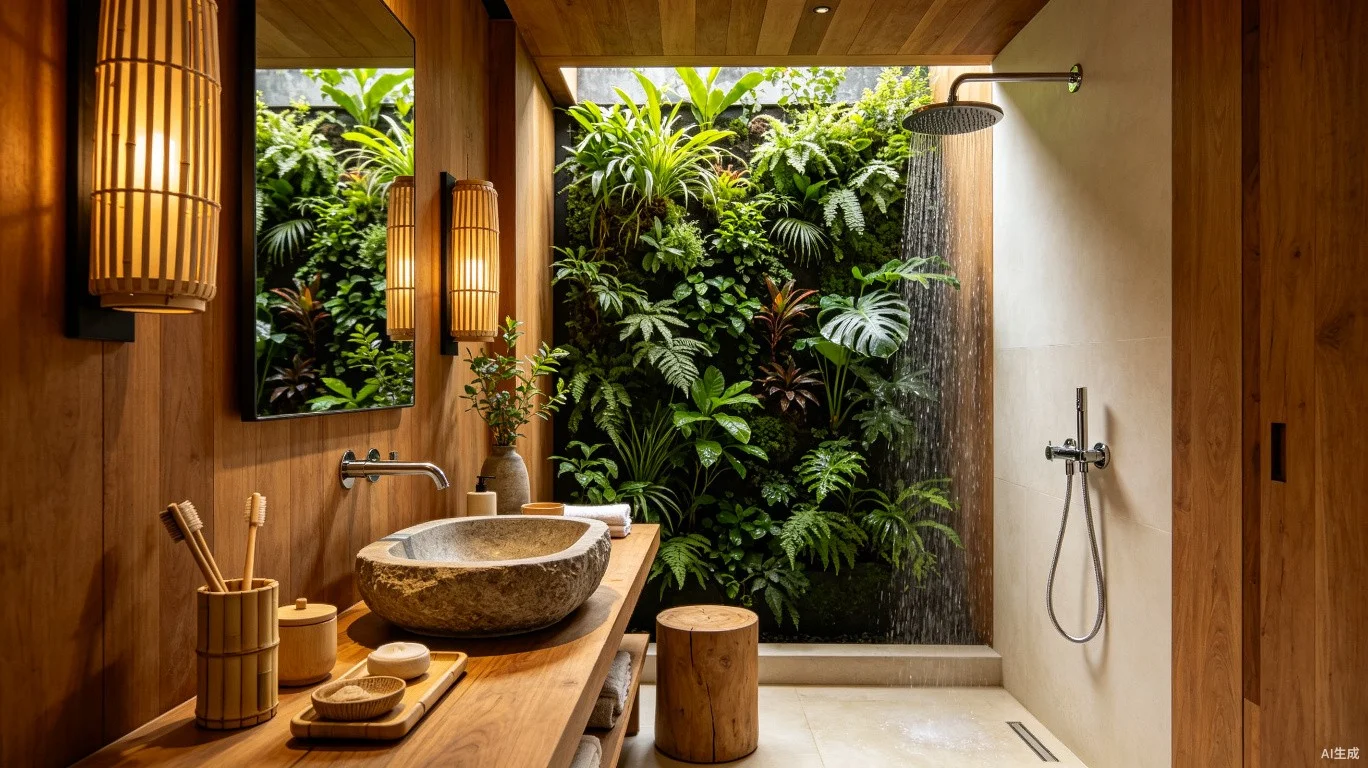

The bathroom is one of the most resource-intensive rooms in the home, accounting for roughly 60% of household water consumption. Making eco-friendly upgrades not only reduces your environmental footprint but also cuts utility bills and can create a healthier indoor environment. Here are thirteen expert tips for creating a sustainable bathroom without sacrificing style or comfort.
Water Conservation
1. Replace old toilets with WaterSense-certified models that use 1.28 gallons per flush or less. A toilet manufactured before 1994 can use 3.5 to 7 gallons per flush -- replacing it with a modern high-efficiency model can save up to 13,000 gallons of water per year for a family of four. Dual-flush toilets offer even greater savings by using a reduced volume for liquid waste.
2. Install low-flow showerheads rated at 2.0 gallons per minute (GPM) or less. The best modern low-flow showerheads use air-injection technology or optimized spray patterns to maintain a luxurious, high-pressure feel while using 20-40% less water. A family of four can save over 2,900 gallons of water annually with this single upgrade.
3. Add faucet aerators to bathroom sink taps, limiting flow to 1.5 GPM or less. Aerators cost under $10, install in minutes with no tools, and can reduce sink water usage by 30% or more without any noticeable difference in water pressure. Clean or replace aerators annually as mineral buildup gradually reduces their effectiveness.
Sustainable Materials
4. Choose recycled-content tiles for flooring and walls. Many manufacturers now offer porcelain and glass tiles containing 20-100% post-consumer or post-industrial recycled content. Recycled glass tiles, in particular, create stunning, luminous surfaces and divert glass bottles and windows from landfills. Their color palette ranges from crisp clear to vibrant jewel tones.
5. Install bamboo or cork flooring as renewable alternatives to hardwood or vinyl. Bamboo reaches harvest maturity in 3-5 years versus 20-60 years for hardwoods, and strand-woven bamboo is harder than oak. Cork is harvested from the bark of cork oak trees without harming the tree, and its natural cushioning and warmth make it especially pleasant underfoot in bathrooms.
6. Use low-VOC and zero-VOC paints, caulks, and adhesives to maintain healthy indoor air quality. Traditional paints and sealants off-gas volatile organic compounds for years after application, contributing to respiratory irritation and poor air quality. Low-VOC alternatives perform equally well and are widely available at comparable prices from major manufacturers.
Energy and Resource Efficiency
7. Switch to LED lighting throughout the bathroom. LED bulbs use 75-80% less energy than incandescent and last 15-25 times longer. In a bathroom with four vanity lights operating two hours daily, switching to LEDs saves roughly $40-60 per year in electricity costs and eliminates the need to change bulbs for over a decade.
8. Install a tankless or point-of-use water heater for the bathroom if it is located far from your main water heater. Waiting for hot water to travel through long pipe runs wastes both water and energy. A small electric tankless unit installed under the sink provides instant hot water and eliminates the hundreds of gallons of cold water that go down the drain each year while waiting.
9. Choose a high-efficiency bathroom exhaust fan with a DC motor, which uses up to 65% less electricity than standard AC motor fans. Look for Energy Star-certified models with humidity sensors that automatically adjust fan speed based on moisture levels, running only as long and as fast as necessary.
Green Fixtures and Accessories
10. Select vanities and shelving made from FSC-certified wood or reclaimed materials. Forest Stewardship Council certification ensures the wood comes from responsibly managed forests. Reclaimed wood vanities bring unique character and history to the bathroom while giving new life to materials that would otherwise be discarded.
11. Switch to organic cotton or bamboo towels and bath mats. Conventional cotton farming accounts for approximately 16% of global insecticide use. Organic cotton eliminates these chemicals, and bamboo textiles offer natural antibacterial properties and exceptional softness. Both materials biodegrade at end of life, unlike synthetic microfiber towels that shed plastic particles with every wash.
12. Replace disposable bathroom products with reusable alternatives. Bamboo toothbrushes, refillable soap dispensers, washable cotton rounds for makeup removal, and safety razors with replaceable blades dramatically reduce bathroom waste. The average person discards approximately 300 plastic toothbrushes and 200 disposable razors over a lifetime.
13. Incorporate living plants as natural air purifiers and humidity regulators. Snake plants, peace lilies, and Boston ferns thrive in bathroom humidity and filter common indoor air pollutants including formaldehyde and benzene. A well-placed plant softens the bathroom's hard surfaces while actively improving air quality with zero electricity consumption.