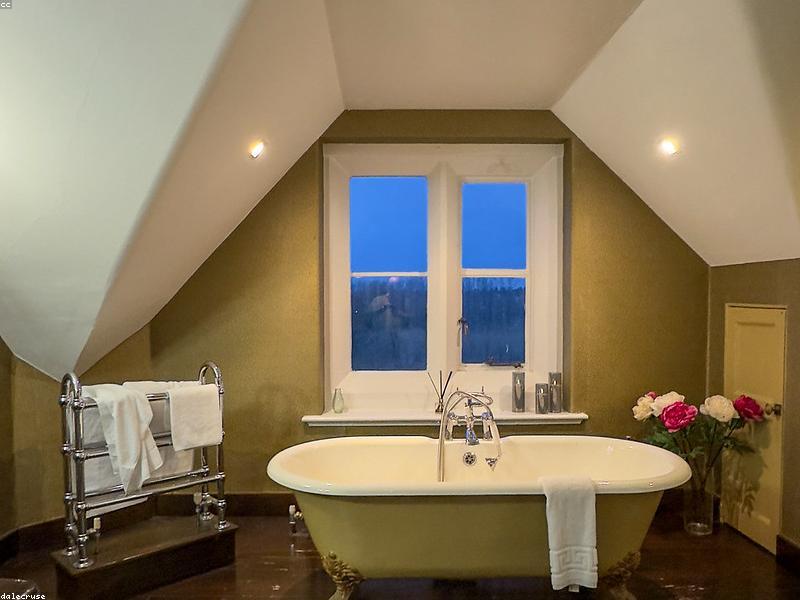

Green building materials have moved from niche to mainstream in 2026. Homeowners are increasingly aware that renovation choices affect not just the look and function of their home, but also their health, their energy bills, and the planet. The good news is that sustainable materials have improved dramatically in quality, availability, and affordability. You no longer have to choose between being eco-friendly and having a beautiful home —the best sustainable materials today are also durable, stylish, and often cost-competitive with conventional alternatives. This guide covers the most impactful eco-friendly materials for your renovation.
Flooring: Bamboo, Cork, and Reclaimed Wood
Sustainable flooring options have come a long way from the rough-hewn look of early eco-products. Bamboo flooring is one of the most popular green choices. Bamboo is technically a grass, not a tree, and it reaches maturity in 3 to 5 years compared to 20 to 50 years for hardwood. Strand-woven bamboo, made by compressing bamboo fibers with resin under high pressure, is harder than oak and extremely durable. Cali Bamboo's Fossilized strand-woven bamboo costs $5 to $8 per square foot —comparable to mid-range hardwood. Look for bamboo certified by the Forest Stewardship Council (FSC) to ensure it is harvested from responsibly managed sources. Cork flooring is another excellent sustainable option. Cork bark is harvested from cork oak trees every 9 to 12 years without harming the tree, making it a truly renewable resource. Cork floors are warm underfoot, naturally antimicrobial, and provide excellent acoustic insulation. Wicanders cork flooring costs $4 to $8 per square foot. The main consideration is that cork can dent under heavy furniture and may fade in direct sunlight. Reclaimed wood flooring is the most environmentally friendly option because it uses no new resources. Salvaged from old barns, factories, and warehouses, reclaimed wood has unique character with nail holes, grain patterns, and patina that cannot be replicated. Reclaimed wood flooring from companies like TerraMai or Carlisle Wide Plank Floors costs $8 to $15 per square foot —premium pricing for a product with history and scarcity. For a budget-friendly option, look for FSC-certified engineered hardwood. It uses a thin veneer of real hardwood over a plywood core, requiring far less old-growth timber than solid hardwood. Engineered hardwood from companies like Shaw Floors costs $4 to $10 per square foot and can be refinished once or twice over its 20- to 30-year lifespan.
Countertops: Recycled Materials and Sustainable Alternatives
Kitchen and bathroom countertops represent a significant material investment, and sustainable options are more attractive than ever. Recycled glass countertops, like those from Vetrazzo or IceStone, are made from 85% to 100% post-consumer recycled glass embedded in a cement or resin binder. They are durable, non-porous when sealed, and available in a wide range of colors and patterns. IceStone's recycled glass countertops cost $75 to $125 per square foot installed —comparable to mid-range quartz. Each slab diverts approximately 40 pounds of glass from landfills. Paper composite countertops made from recycled paper and non-toxic resin offer a unique warm, matte surface. Richlite, the best-known brand, costs $60 to $100 per square foot and is incredibly durable —it is also used for skateboard ramps and commercial cutting boards. It can be sanded and refinished if scratched. Locally sourced natural stone is a surprisingly sustainable choice if quarried nearby. Granite or soapstone from a regional quarry has a much lower transportation carbon footprint than imported marble or quartzite. Ask your fabricator where their stone originates. Concrete countertops with recycled fly ash content are another option —some mix designs replace 20% to 30% of the cement with fly ash, a byproduct of coal power plants, reducing the carbon footprint. Concrete countertops from a specialty fabricator cost $90 to $150 per square foot. Butcher block countertops made from FSC-certified domestic hardwoods like maple or walnut offer a warm, renewable surface. They are the most affordable eco-friendly option at $40 to $80 per square foot. The main trade-off is maintenance —butcher block requires regular oiling and is susceptible to water damage and staining.
Paint and Finishes: Low-VOC and Zero-VOC
Conventional paints release volatile organic compounds (VOCs) into your indoor air for months after application. These chemicals can cause headaches, respiratory irritation, and long-term health problems. In 2026, zero-VOC paints are widely available and perform as well as conventional paints. Benjamin Moore's Natura line ($55 to $65 per gallon) and Sherwin-Williams' Harmony line ($50 to $60 per gallon) are top choices, offering zero VOCs and excellent coverage. Both are available in thousands of colors and can be tinted without adding VOCs. PPG's Diamond 360 line ($45 to $55 per gallon) is another excellent zero-VOC option. For trim and cabinets, use low-VOC enamel paints. General Finishes water-based urethane ($45 per quart) is a durable, low-VOC option for cabinet doors and trim that dries to a smooth, hard finish. For stains and sealers, look for water-based products labeled "low-VOC" or "zero-VOC." AFM Safecoat is a brand that specializes in non-toxic paints, stains, and sealers for chemically sensitive individuals, costing $50 to $70 per gallon. When calculating paint quantities for a renovation, a gallon of paint typically covers 350 to 400 square feet of wall area. Primer is essential on new drywall —use a zero-VOC primer from the same brand as your top coat for best compatibility. Dispose of leftover paint properly —never pour it down the drain. Many municipalities have paint recycling programs, or you can donate unused paint to community organizations.
Insulation and Energy Efficiency
Proper insulation is the most impactful energy efficiency measure in any renovation. The most eco-friendly insulation options include cellulose, made from 80% to 85% recycled newspaper treated with non-toxic fire retardants. Cellulose has an R-value of about 3.5 per inch and is blown into wall cavities and attics. It costs $1 to $2 per square foot installed —significantly less than spray foam. Sheep's wool insulation is a natural, renewable alternative with an R-value of 3.5 to 4 per inch. It absorbs and releases moisture without losing insulating properties, regulates indoor humidity, and is naturally fire-resistant. Brands like Havelock Wool cost $3 to $5 per square foot. Denim insulation, made from recycled denim and cotton fibers, is another non-toxic option with similar performance to fiberglass at $2 to $3 per square foot. It comes in batt form and is easy to install. For air sealing, use acoustical sealant or spray foam around electrical boxes, window frames, and plumbing penetrations. Air sealing is often more impactful than adding insulation —a well-sealed home can reduce heating and cooling costs by 15% to 25%. When replacing windows, look for ENERGY STAR-certified models with double or triple glazing, low-E coatings, and argon gas fill. Energy-efficient windows cost 15% to 30% more than standard windows but can save $200 to $600 per year on energy bills. The National Fenestration Rating Council (NFRC) label provides U-factor (heat loss) and Solar Heat Gain Coefficient (SHGC) ratings —for most climates, look for a U-factor of 0.30 or lower and an SHGC appropriate for your climate zone.
Sustainable Cabinetry and Wood Products
Cabinetry is one of the largest material investments in a kitchen or bathroom renovation. Sustainable cabinetry starts with the material. Look for cabinets made from FSC-certified plywood or solid wood. Particle board and MDF often contain formaldehyde-based adhesives that contribute to indoor air pollution. Cabinetry from brands like IKEA (which uses FSC-certified particle board and increasingly low-VOF finishes) or custom shops that specify FSC-certified materials and no-added-formaldehyde (NAF) adhesives are good choices. NAF-certified cabinets cost 10% to 20% more than standard cabinets but eliminate a significant source of indoor VOCs. For cabinet fronts, consider using reclaimed wood or Forest Stewardship Council-certified domestic hardwoods like cherry, maple, or walnut. Avoid tropical hardwoods like Brazilian cherry or African mahogany unless they carry FSC certification. For the interior of cabinets, choose formaldehyde-free plywood or Medite Eco-friendly MDF made with formaldehyde-free resin. The extra cost for sustainable cabinet materials typically adds 10% to 25% to the total cabinet budget. For a standard kitchen with 25 linear feet of cabinetry, this translates to an additional $1,000 to $3,000. Consider that this investment improves indoor air quality for your family and supports responsible forestry practices —a worthwhile trade-off for most environmentally conscious homeowners. With careful material selection, your eco-friendly renovation can be healthier, more energy-efficient, and every bit as beautiful as a conventional renovation.