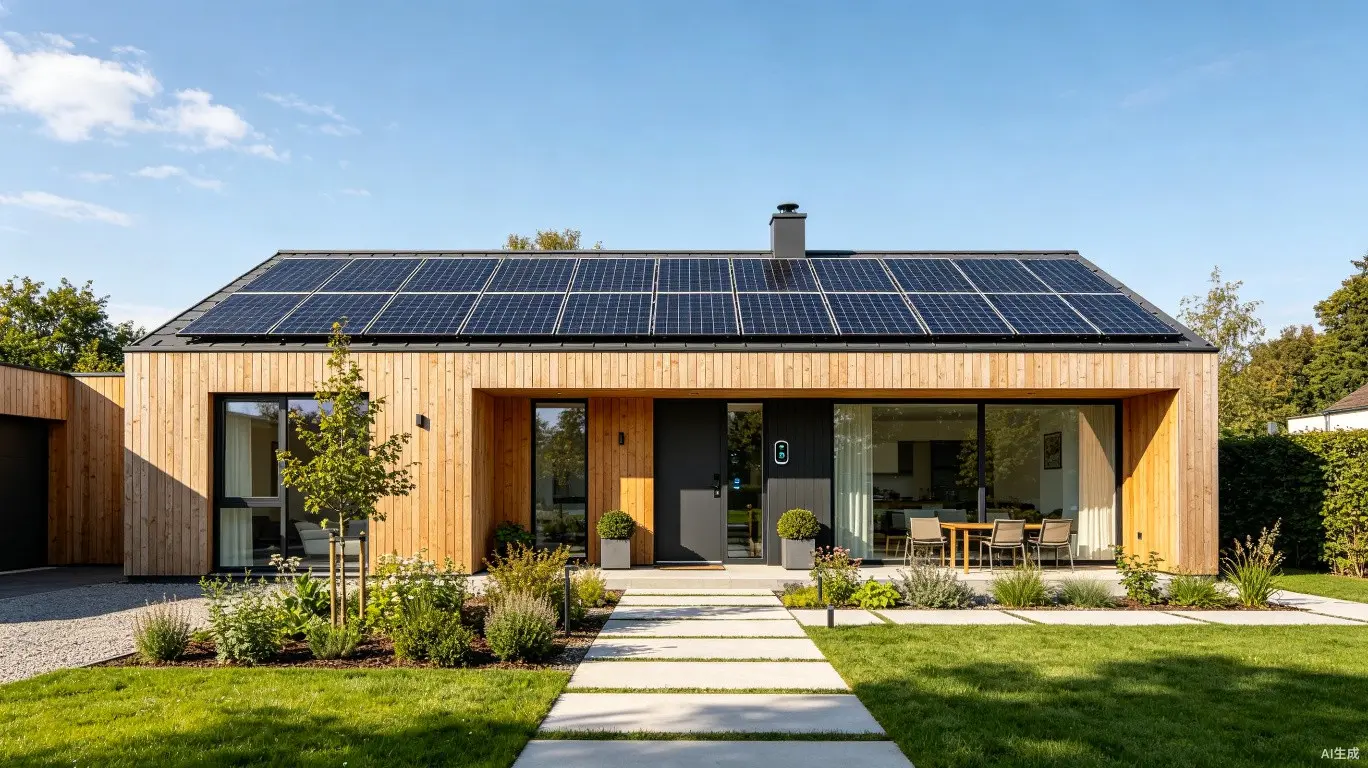

Energy-efficient home upgrades are the rare investment that pays dividends from day one. Lower utility bills, increased comfort, improved indoor air quality, and higher resale value are the tangible returns. The key is knowing which upgrades offer the fastest payback and which sequence maximizes effectiveness. Here are fourteen expert tips for upgrading your home's energy performance.
The Envelope First Principle
1. The golden rule of energy efficiency is "envelope first." Before investing in high-efficiency heating or solar panels, seal and insulate the building envelope. A super-efficient heat pump is wasted if warm air leaks through unsealed gaps. Air sealing and insulation should always precede equipment upgrades because they reduce the required size of subsequent systems.
2. The attic is the lowest-hanging fruit for insulation. Heat rises, and an under-insulated attic can account for 25% to 35% of total heat loss. Upgrading attic insulation from R-19 to R-49 typically pays for itself in three to five years through reduced heating and cooling costs.
3. Air sealing is the invisible companion to insulation. A typical home has the equivalent of a 60-centimeter-square window left open year-round due to cumulative air leaks. Professional air sealing with a blower door test costs $500 to $1,500 and can reduce heating and cooling costs by 10% to 20%.
Heating and Cooling Transformation
4. Modern cold-climate heat pumps operate efficiently at outdoor temperatures as low as -25 degrees Celsius. They are 300% to 400% efficient -- delivering three to four units of heat for every unit of electricity consumed -- compared to 95% for the best gas furnaces.
5. Heat pump water heaters heat water two to three times more efficiently than standard electric resistance. A family of four can save $300 to $500 annually. The units require installation in a space with at least 28 cubic meters of air volume because they extract heat from surrounding air.
Windows and Doors
6. Window replacement is often the most expensive energy upgrade per unit of energy saved, with payback periods exceeding 15 years. For older single-pane windows, adding storm windows or installing cellular shades often provides better financial value than full replacement.
7. When window replacement is necessary due to rotted frames, choose triple-pane over double-pane. Triple-pane windows with low-E coatings achieve U-factors as low as 0.15, nearly three times better than 1990s double-pane. The incremental cost is 15% to 20%, but comfort improvement is dramatic.
Smart Controls
8. Smart thermostats in 2026 integrate with occupancy sensors, window contact sensors, and weather forecasts. They learn household patterns within the first week and adjust setpoints proactively. Energy savings average 10% to 15% for heating and 15% for cooling.
9. Smart electrical panels with per-circuit energy monitoring identify energy waste. By showing exactly how much each appliance consumes in real time, these systems typically lead to 5% to 15% behavior-driven savings simply by making consumption tangible.
Solar and Renewables
10. Residential solar costs have fallen to $2.50 to $3.50 per watt installed in 2026. A 7-kilowatt system costs $17,500 to $24,500 before incentives. With the 30% federal tax credit, the net cost is typically $10,000 to $15,000, achieving payback in 6 to 10 years.
11. Home battery storage has transitioned from luxury backup to practical investment. A 13.5 kilowatt-hour battery costs $8,000 to $12,000 installed after incentives. It allows storing excess daytime solar for evening use and provides outage protection.
Appliances and Lighting
12. Induction cooktops transfer approximately 85% of energy to food, compared to 40% for gas. They also eliminate the indoor air pollution from gas combustion. Converting from gas to induction typically costs $2,000 to $4,000 including electrical work.
13. Premium LEDs (120 to 150 lumens per watt) significantly outperform budget LEDs (80 lumens per watt) over their 15- to 25-year lifespan. The incremental cost of $2 to $5 per bulb pays back many times over through energy savings.
Financing and Incentives
14. The financial landscape for energy upgrades in 2026 is the most favorable in history. Federal tax credits cover 30% of costs for solar, batteries, heat pumps, and panel upgrades. Many states and utilities offer additional rebates. On-bill financing programs allow repayment through utility bill savings. Research all incentives before any energy upgrade.