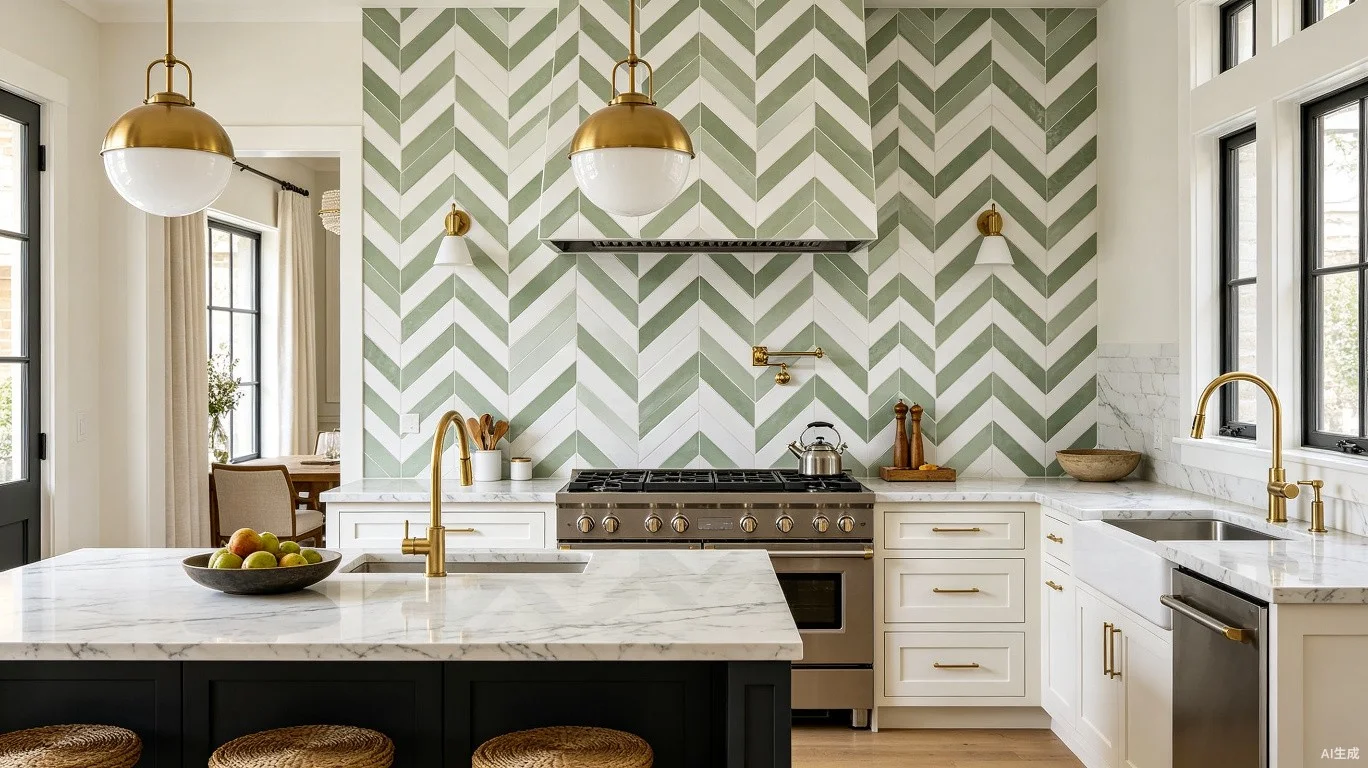

The kitchen backsplash has evolved from a purely functional splash guard into one of the most important design elements in the modern kitchen. In 2026, backsplash trends celebrate bold geometry, natural materials, and artistic expression. Here are fourteen expert tips for choosing and designing a backsplash that transforms your kitchen.
Material Selection
1. Ceramic and porcelain tiles remain the most practical and versatile backsplash materials in 2026, offering thousands of colors, patterns, and finishes at every price point. Porcelain is denser, less porous, and more durable than ceramic, making it the better choice behind cooktops where heat and splatter are concentrated. Both materials clean easily with mild soap and water.
2. Natural stone backsplashes -- marble, slate, travertine, and quartzite -- bring irreplaceable organic beauty, with each slab or tile being genuinely one-of-a-kind. However, natural stone requires sealing every 6-12 months to prevent staining, especially behind ranges where oil splatter is common. Honed finishes hide etching better than polished finishes on marble.
3. Glass tiles create a luminous, reflective surface that bounces light around the kitchen, making small spaces feel larger. Back-painted glass panels offer the sleekest, most contemporary look with zero grout lines, though they show water spots and fingerprints more readily than textured tiles. For a truly seamless appearance, have glass panels custom-cut to the exact dimensions of your backsplash area.
Pattern and Layout
4. The herringbone pattern is 2026's dominant backsplash trend, appearing in materials ranging from classic subway tile to natural stone and even metallic finishes. A herringbone backsplash adds movement and sophistication without overwhelming the space. For the most balanced look, use tiles with a length-to-width ratio of approximately 3:1 or 4:1.
5. Vertical stack patterns are gaining popularity as a clean, modern alternative to traditional horizontal layouts. Stacking rectangular tiles vertically draws the eye upward, making ceilings feel higher and creating a distinctly contemporary aesthetic. This layout works particularly well with elongated subway tiles (3x12 or 4x16 inches) and in kitchens with standard 8-foot ceilings.
6. Full-height backsplashes that extend from the countertop to the ceiling or the underside of upper cabinets create a dramatic, cohesive look. This approach works especially well behind ranges and sink areas. When extending tile to the ceiling, ensure consistent grout lines and consider adding a decorative border or pencil trim at the top for a finished edge.
Color and Finish Trends
7. Zellige tiles -- handmade Moroccan glazed terracotta tiles with subtle color variations and irregular surfaces -- are the breakout backsplash material of 2026. Their glossy, imperfect finish catches light beautifully and adds warmth and character that machine-made tiles cannot replicate. The slight variations in color and thickness are features, not flaws.
8. Bold, saturated colors are replacing neutral, all-white backsplashes. Deep emerald green, cobalt blue, terracotta, and even matte black tiles are being used to create dramatic focal points. The key is balance: if your backsplash is bold, keep countertops and cabinetry relatively restrained. A jewel-toned backsplash against white or light wood cabinetry creates a stunning, magazine-worthy contrast.
9. Matte and satin finishes outperform glossy finishes in terms of hiding water spots, fingerprints, and minor imperfections. A matte-finish ceramic or porcelain backsplash looks sophisticated and contemporary while requiring less frequent cleaning to maintain its appearance. Reserve high-gloss tiles for areas you are committed to wiping down daily.
Practical Considerations
10. Plan electrical outlet placement before finalizing your backsplash design. Outlets cut into a beautifully patterned backsplash can disrupt the visual flow. Consider under-cabinet plug mold or pop-up outlets that hide in the countertop when not in use. If wall outlets are unavoidable, position them so they fall within the center of individual tiles rather than crossing grout lines.
11. Use epoxy grout in areas subject to grease, water, and food splatter. Epoxy grout is stain-proof, waterproof, and never needs sealing, making it the superior choice for kitchen backsplashes despite its higher cost and more challenging installation. Traditional cement-based grout will inevitably stain and discolor behind a cooktop, even with diligent sealing.
12. Choose your grout color strategically. Matching grout to the tile creates a seamless, monolithic look that lets the tile material and pattern take center stage. Contrasting grout -- white grout with dark tile, or dark grout with light tile -- emphasizes the pattern and geometry. A contrasting grout choice should be intentional; it will draw significant visual attention.
Installation and Budget
13. The standard backsplash height is 18 inches between the countertop and upper cabinets, requiring approximately 30 square feet of tile for a typical kitchen. For full-height installations, measure from countertop to ceiling and to the sides of cabinetry. Always order 15-20% extra tile beyond your calculated square footage to account for cuts, pattern matching, and future repairs.
14. Consider peel-and-stick tile as a budget-friendly, renter-friendly, and DIY-accessible alternative to traditional tile. The quality of peel-and-stick options has improved dramatically, with convincing stone, metal, and geometric designs available. While not as durable as traditional tile (expect a 3-5 year lifespan in a kitchen), they allow you to transform your backsplash in a single afternoon for under $200.