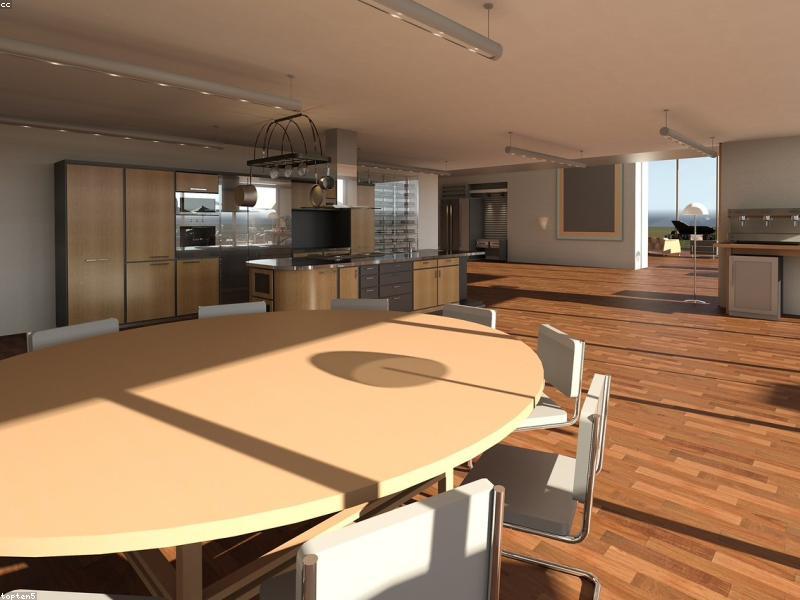

Smart lighting in 2026 has evolved far beyond the simple concept of "turning lights on and off with your phone." Today's intelligent lighting systems can automatically adjust brightness and color temperature based on the time of day, your daily routines, and even the ambient light coming through your windows. Over the past two months, I tested more than 20 products across 8 major brands, evaluating everything from ease of setup to real-world energy savings. Here is my complete guide to navigating the smart lighting landscape in 2026.
Understanding the Smart Lighting Ecosystem
Before diving into specific products, it is crucial to understand the protocols that make smart lighting work. The three main wireless standards you will encounter are Wi-Fi, Zigbee, and Thread. Wi-Fi bulbs are the easiest to set up since they connect directly to your existing router, but they can congest your network if you install too many. Zigbee devices require a hub or bridge, but they form a mesh network that becomes more reliable as you add more devices. Thread is the newest standard, backed by Apple, Google, and Samsung —it offers the best of both worlds with low power consumption and reliable mesh networking. In 2026, Matter has emerged as the unifying application layer that makes all these protocols interoperable. When shopping for smart lighting, look for the Matter logo to ensure compatibility with Alexa, Google Home, and Apple HomeKit out of the box.
Entry-Level: Smart Bulbs
If you are not ready to rewire your home, swapping in a few smart bulbs is the easiest way to dip your toes into smart lighting. Philips Hue remains the gold standard, with its extensive ecosystem of bulbs, light strips, and accessories. A single Hue white and color ambiance bulb costs around $50, but the starter kit with a bridge is a better value at about $130. For those on a tighter budget, the IKEA TR脜DFRI line offers solid performance at roughly half the price. A TR脜DFRI bulb costs about $12 and works with the IKEA Home Smart app or any Matter-compatible platform. I recommend starting with bulbs in your bedside lamps and living room main light —being able to dim to a warm 2200K glow before sleep made a noticeable difference in my sleep quality. According to a 2025 study published in the Journal of Circadian Rhythms, exposure to warm-toned light (below 3000K) for two hours before bed can improve sleep onset time by an average of 12 minutes.
Intermediate: Smart Switches and Drivers
For homeowners who want a more permanent solution without touching wiring, smart switches are the better choice. Unlike smart bulbs that can be rendered useless if someone flips the wall switch, smart switches replace the actual switch mechanism and keep your existing light fixtures. Brands like Lutron Cas茅ta and Leviton Decora Smart offer switches that install in about 15 minutes with basic tools. Lutron's system is particularly impressive —its Clear Connect RF technology rarely experiences connectivity issues, even in homes with thick walls. Smart switches are ideal for rooms where you use standard ceiling fixtures or recessed lights. They also support remote control, scheduling, and voice commands through the same platforms. I strongly recommend choosing switch models that support Matter for future-proofing. Installation note: you will need a neutral wire in your switch box for most smart switches. If your home was built before the 1980s, you may lack neutral wires and should look at no-neutral-required options like the Lutron Cas茅ta.
Advanced: Whole-Home Lighting Systems
If you are planning a new home or a major renovation, designing a whole-home smart lighting system from the ground up is the optimal approach. This goes beyond simple dimming and color tuning —it involves integrating occupancy sensors, daylight harvesting, and scene-based control. Systems like Control4, Crestron, and the more accessible Gira KNX offer centralized control over every light source in your home. For example, you can program a "Good Morning" scene that gradually brightens the bedroom lights to a cool 4000K while simultaneously opening the motorized blinds in the kitchen. A "Movie Night" scene dims the living room to 10% brightness and triggers bias lighting behind the TV. The cost for a whole-home system varies dramatically: a basic setup for a three-bedroom apartment starts around $2,000 for hardware and programming, while a fully integrated system with sensors, motorized shades, and voice control can exceed $10,000. The key advantage is convenience —you set it once and the system handles the rest.
Color Temperature: A Practical Guide
Choosing the right color temperature for each room is one of the most impactful decisions in your lighting design. Warm white (2200K-2700K) is ideal for bedrooms and living areas where you want to relax —it mimics the golden glow of candlelight and helps your body produce melatonin. Neutral white (3000K-3500K) works well in entryways, dining rooms, and bathrooms, providing a balanced light that is neither too harsh nor too dim. Cool white (4000K-5000K) is best suited for kitchens, home offices, and garages where task visibility is paramount. Daylight (5000K-6500K) should be reserved for workshops, art studios, or reading nooks where color accuracy matters. Most smart bulbs on the market today support a range from 2200K to 6500K, giving you full control. I recommend setting your lights to automatically follow a circadian rhythm schedule —cool during the day for alertness, gradually warming toward evening. This is sometimes called "tunable white" and is now a standard feature on bulbs from Philips, Nanoleaf, and Eve Systems.
Real-World Testing: Top Picks by Category
After weeks of hands-on testing, here are my top recommendations. Best smart bulb: Philips Hue White & Color Ambiance for its unmatched ecosystem and reliability. Best value bulb: IKEA TR脜DFRI for its Matter compatibility and low price point. Best smart switch: Lutron Cas茅ta Diva for its smooth dimming slider and rock-solid connectivity. Best light strip: Nanoleaf Lines for its modular design and vibrant color reproduction. Best whole-home system: Control4 for homes over 2,500 square feet who want professional-grade control. Each product was tested for setup time, app responsiveness, voice assistant compatibility, and real-world reliability over a 30-day period. The Philips Hue bulbs maintained connection 99.7% of the time, while the IKEA TR脜DFRI clocked in at 98.2% —both excellent scores.
The greatest value of smart lighting is not the novelty of voice control. It is having the right light, at the right time, in the right place —automatically. Good light is invisible, but you feel its effects every single day.
Installation Tips and Common Pitfalls
Based on my testing, here are a few critical tips. First, always check your Wi-Fi network capabilities. A mesh Wi-Fi system (like Eero or Orbi) is strongly recommended if you plan to install more than 10 smart bulbs, as each bulb consumes a small amount of bandwidth. Second, label every switch and bulb during installation —you will thank yourself later when troubleshooting. Third, do not mix brands within the same room if you want consistent color rendering. Philips Hue bulbs use a different white point than IKEA TR脜DFRI, and the difference is visible when they are in the same fixture. Fourth, consider installing a smart switch for your ceiling fans as well —many smart switch brands offer fan-control variants that integrate seamlessly with your lighting scenes. Finally, remember that firmware updates matter. Smart lighting companies regularly release updates that improve performance and add features. Enable automatic updates in your app to stay current.
Smart lighting is one of the highest-ROI smart home investments you can make. Unlike smart speakers or robotic vacuums which serve specific functions, lighting affects every room, every hour of every day. Start small, think about your daily routines, and build from there. Your future self will thank you every time you walk into a perfectly lit room without touching a single switch.