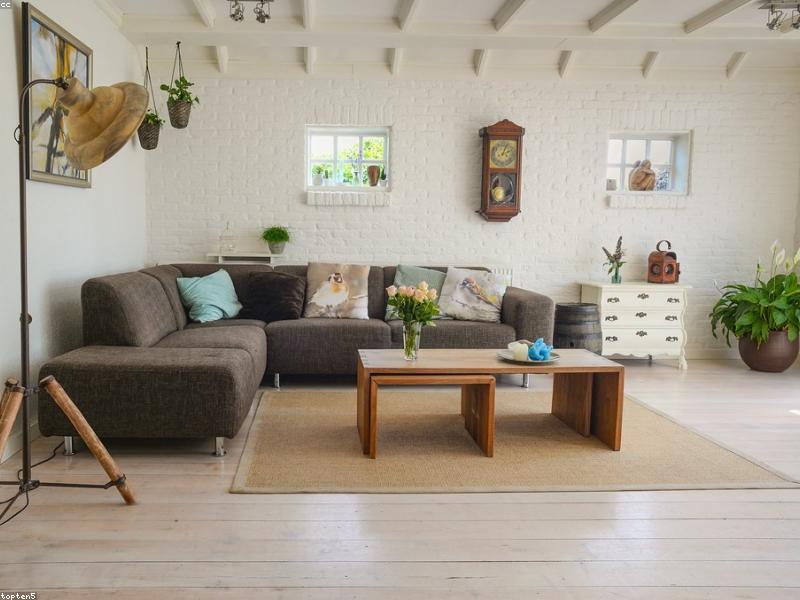

Throw pillows are the easiest and most affordable way to refresh your living room. A well-edited pillow arrangement can transform a plain sofa into a styled centerpiece, adding color, texture, and personality in minutes. But the gap between a haphazard pillow pile and a designer-perfect arrangement comes down to a few core principles: pattern scaling, texture contrast, color coordination, and the right number of pillows. Once you understand these rules, you can mix and match with confidence —and change your look as often as you like.
The Rule of Odds: How Many Pillows Do You Need?
Designers almost always use odd numbers —three, five, or seven pillows —because they create a more natural, less symmetrical look. For a standard 72-inch sofa, three pillows is the minimum. Arrange them as follows: one 22-inch square at each end and one 12-by-20-inch lumbar pillow in the middle. For a 96-inch sectional sofa, five pillows give you room to play with more variety. A good breakdown is: two 24-inch squares at the outermost ends, one 20-inch square next to each end, and one lumbar pillow centered. For a loveseat or armchair, one lumbar pillow plus one accent square is enough. Overloading a sofa with pillows looks cluttered and makes the seating less functional —aim to leave at least two seat cushions clear for actual sitting.
Pattern Mixing: The Three-Tier System
The secret to mixing patterns without visual chaos is to use three tiers of scale. Start with one large-scale pattern (think oversized florals, broad stripes, or large geometric shapes). Add one medium-scale pattern (smaller florals, plaid, or ikat). Finish with one small-scale or solid texture (a subtle herringbone weave, a solid velvet, or a minimalist dot pattern). For a concrete example: pair a 24-inch pillow in a large-scale navy-and-white striped fabric with a 20-inch pillow in a medium-scale cream and terracotta floral print, and finish with a solid oatmeal-colored chunky knit pillow. The large pattern dominates, the medium pattern adds interest, and the solid texture grounds the arrangement.
Stick to a unified color palette across all patterns. If your large-scale pattern contains navy, cream, and terracotta, ensure those same three colors appear in the other pillows. This creates cohesion even with very different patterns. A reliable trick is to choose one patterned pillow, then pull the lightest and darkest colors from it to find the other two pillows.
Texture Layering: The Secret to Visual Depth
Texture is what separates amateur pillow arrangements from professional ones. A sofa covered entirely in cotton pillows feels flat, regardless of the pattern quality. Mix at least three different textures in your arrangement. Velvet adds richness and reflects light beautifully —a 20-inch square in emerald green velvet at $45 from West Elm is a versatile choice. Linen or cotton offers a matte, breathable counterpoint. Chunky knit or wool brings warmth and casualness. Faux fur or shearling adds a luxurious, tactile element perfect for winter months. Leather or faux leather pillows introduce an unexpected edge to soft fabric sofas. Aim for a mix of smooth, rough, shiny, and matte textures within your color palette. The visual contrast will make each pillow stand out while the overall arrangement feels cohesive.
Color Coordination: Building a Palette
Your pillow colors should relate to the room's existing palette without matching it exactly. Pull one color from your sofa or rug and use it as the dominant pillow color. Then add pillows in a contrasting or complementary accent. For a gray sofa, use pillows in charcoal, blush pink, and mustard yellow. For a beige or cream sofa, terracotta, sage green, and navy create a warm, sophisticated palette. For a navy blue sofa, stick with cream, rust orange, and camel. Use the 60-30-10 rule adapted for pillows: 60 percent of your pillows should be in the dominant color, 30 percent in the secondary color, and 10 percent in a bold accent. On a five-pillow arrangement, that means three pillows in neutral tones, one in a mid-tone accent color, and one in a bright or dark accent.
Arrangement Techniques for Different Sofas
The way you arrange pillows depends on your sofa style and how you use it. For a standard sofa, the sandwich method works well: place the largest square pillows at each end, then layer smaller squares in front, then place a lumbar pillow in the center. For a sectional with a chaise, cluster most pillows at the chaise end since that is where people lounge. On the seated portion, keep pillows minimal —one lumbar per seat cushion is plenty. For a daybed or window seat, lean pillows against the wall in a line from largest to smallest, mixing heights and shapes. Experiment with asymmetry —placing three pillows on one end and two on the other creates an intentionally casual look. Fluff and rotate pillows weekly to keep their shape, and consider buying down-alternative inserts (available at IKEA for $8 to $20) for a softer, more lived-in look than stiff polyester fills.